
Respiratory syncytial virus (RSV) is a common and contagious respiratory virus, affecting babies and young children worldwide. It spreads easily from infected people or contaminated objects, and almost all children catch RSV at some point before the age of 2. Most of the time, RSV causes a mild illness similar to the common cold, but sometimes it can result in serious lung infections.
Knowing how RSV spreads and how to prevent it can help you reduce the impact on your baby during its peak season.
Is RSV contagious?
Yes, RSV is very contagious, meaning anyone who has the virus can spread it to others. The RSV contagious period—which is the time when the virus is able to spread—can last up to a week, and sometimes longer, which is why RSV moves so easily through families and communities.
How does RSV start?

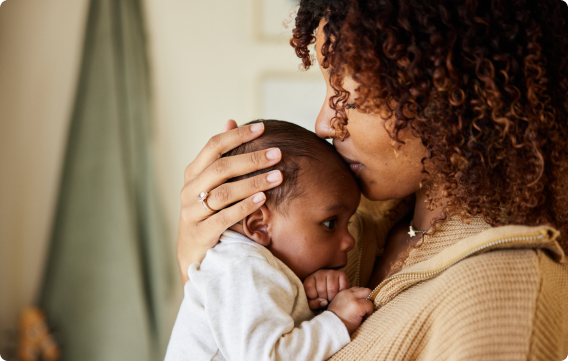
RSV is spread when infected people cough or sneeze, like other respiratory viruses. The RSV virus travels through the air, landing on surfaces or directly entering another person’s body through their eyes, nose or mouth. RSV can be spread even with a kiss or a hug.

RSV spreads not only through close contact with an infected person, but also indirectly: for example, if someone touches surfaces carrying the virus, they can become infected.

Babies and children may catch RSV anywhere, for example, from their siblings, other children at daycare and school, or when visiting family and friends. When children catch the virus outside the home, they can spread it to other members of the family.
How long is RSV contagious?
Usually, people infected with RSV are contagious for 3 to 8 days, and can spread the virus even a day or two before showing signs of illness.
However, some babies and people with a weakened immune system can continue to spread the virus for as long as 4 weeks, even after they stop showing symptoms.
When is RSV contagious?
RSV is a seasonal virus, meaning it spreads more often at certain times of the year.
When it spreads and how severe it is in a given community can vary year to year and the region, but in most of the US, RSV infections start in the fall and peak in the winter.
RSV usually peaks in the US at the same time as the holiday season. Large gatherings and more time spent indoors can make it easier for RSV to spread between family members and friends.

How long does RSV live on surfaces?
RSV can live up to 6 hours on surfaces, depending on the material:
- Less than 30 minutes on the skin
- 2 hours on paper, cardboard, and fabric
- 6 hours on countertops, glass, and metals.
RSV can also live up to 5 hours on gloves, explaining why RSV can spread in hospitals and healthcare settings.
Can you spread RSV by talking?
An infected person can spread RSV by talking close to other people, as tiny drops containing the virus can be released into the air. These drops containing RSV can be inhaled or land on surfaces, increasing the chance of infection.
What is the RSV timeline after infection?
An RSV infection begins when someone is exposed to the virus and catches it. In the first stage of infection, the virus is multiplying inside the body but has not yet caused noticeable signs of illness. This period typically lasts between 4 to 7 days.
After this, babies with RSV start to show their first symptoms, such as a runny nose and/or a cough. In most cases, an RSV infection lasts about a week or two, however, in premature babies and people with weakened immune systems, the illness can last longer and be more severe.

How can you prevent RSV transmission in babies?
You can prevent RSV from spreading by keeping babies away from infected people or those showing symptoms of cold-like infections. It is important that if your baby has an infection, they should stay home to prevent further RSV spread.
Parents and caregivers can also take everyday actions to help reduce the spread of RSV and other respiratory viruses by practicing good hygiene habits such as:

Covering your coughs and sneezes

Frequent handwashing or sanitizing

Thoroughly cleaning surfaces and other objects which may carry RSV

Avoiding the sharing of cups and bottles that may carry RSV
Discover helpful tips for
every parent
Learn more about Beyfortus
Your child should not take Beyfortus if your child has a history of serious allergic reactions to nirsevimab-alip or any of the ingredients in Beyfortus.
Before your child receives Beyfortus, tell your healthcare provider about all of your child’s medical conditions, including if your child:
- has ever had a reaction to Beyfortus.
- has bleeding or bruising problems. If your child has a problem with bleeding or bruises easily, an injection could cause a problem.
Tell your healthcare provider about all the medicines your child takes, including prescription and over-the-counter medicines, vitamins, and herbal supplements. Your infant should not receive a medicine called palivizumab if they have already received Beyfortus in the same RSV season.
Serious allergic reactions have happened with Beyfortus. Get medical help right away if your child has any of the following signs or symptoms of a serious allergic reaction:
- swelling of the face, mouth, or tongue
- difficulty swallowing or breathing
- unresponsiveness
- bluish color of skin, lips, or under fingernails
- muscle weakness
- severe rash, hives, or itching
The most common side effects of Beyfortus include rash and pain, swelling, or hardness at the site of your child’s injection. These are not all the possible side effects of Beyfortus. Call your healthcare provider if you have questions about side effects.
Please see full Prescribing Information, including Patient Information, for more details.
Click here to learn more about Sanofi’s commitment to fighting counterfeit drugs.
Beyfortus is a prescription medicine used to help prevent a serious lung disease caused by Respiratory Syncytial Virus (RSV) in:
- Newborns and babies under 1 year of age born during or entering their first RSV season.
- Children up to 24 months of age who remain at risk of severe RSV disease through their second RSV season.

